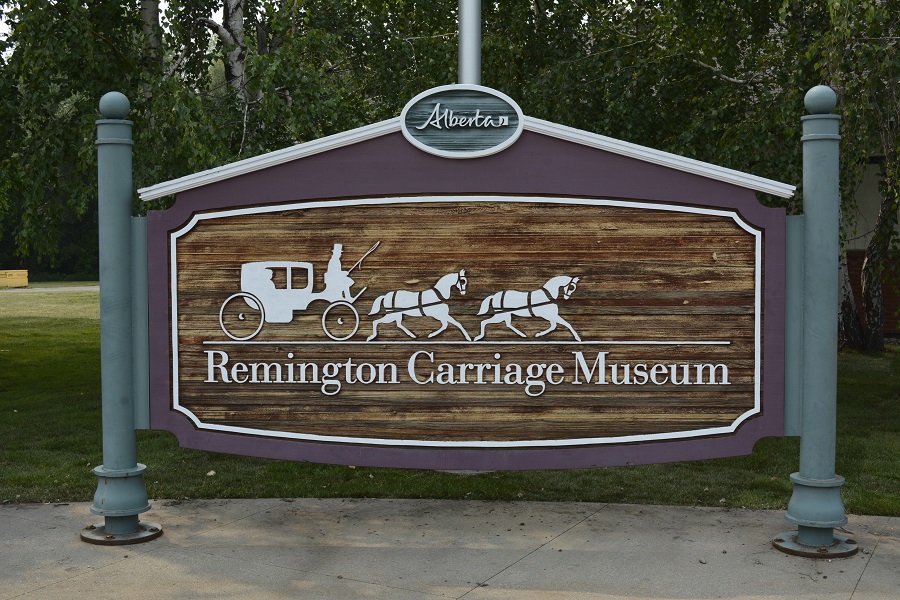
Visit the Remington Carriage Museum
The Remington Carriage Museum is situated in the city of Cardston, located in southern Alberta, Canada. With more than 250 carriages, it is the largest collection of its kind in the world.
Don Remington
The collection was started by Don Remington in 1954. His first carriage was a sleigh to bring Santa to town in the Santa Claus parade. Don spent the next 33 years collecting carriages from all over the world.
Buggies
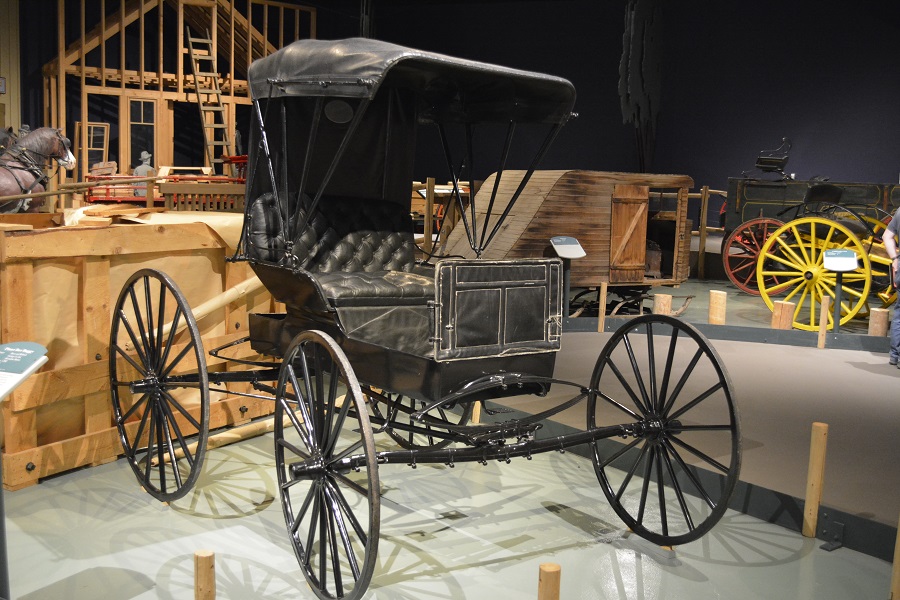
A buggy is a predecessor to the automobile.
Photos should change automatically on most computers. If not, click the dots or arrows to advance to the next photo.
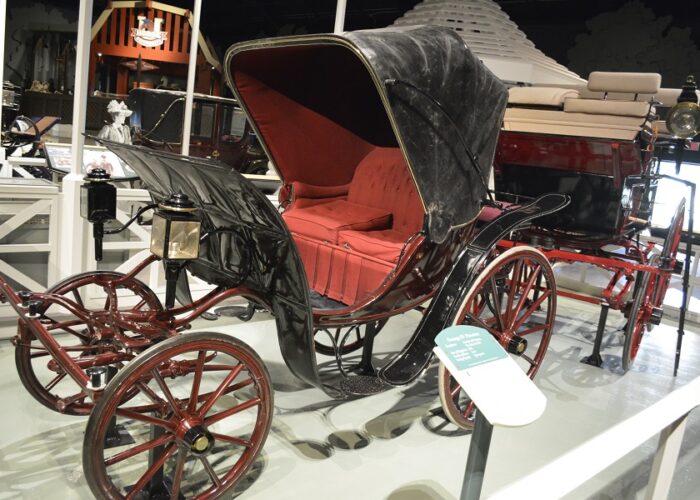
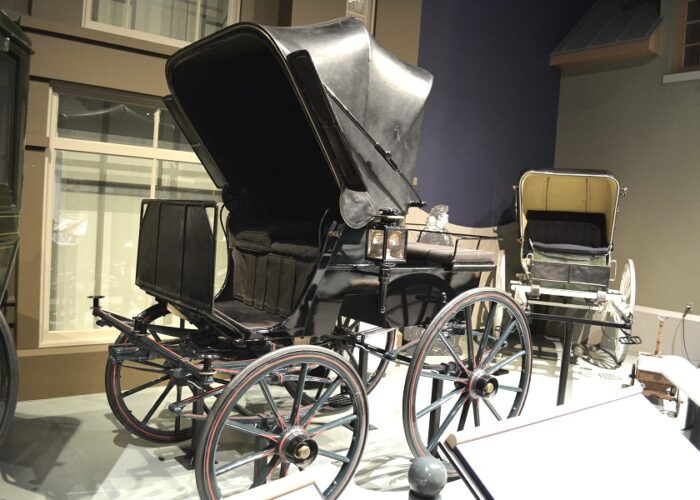
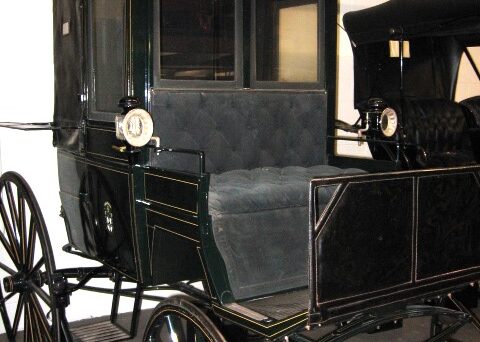
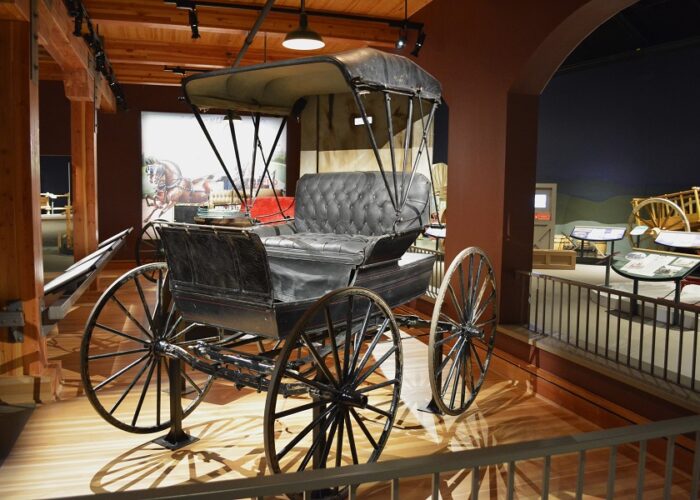
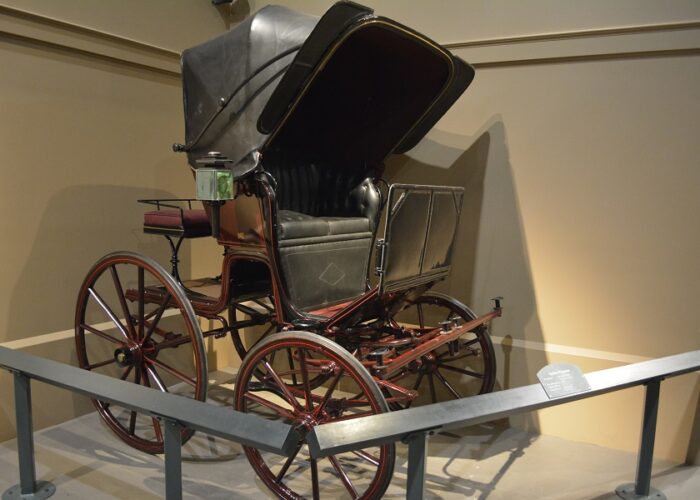
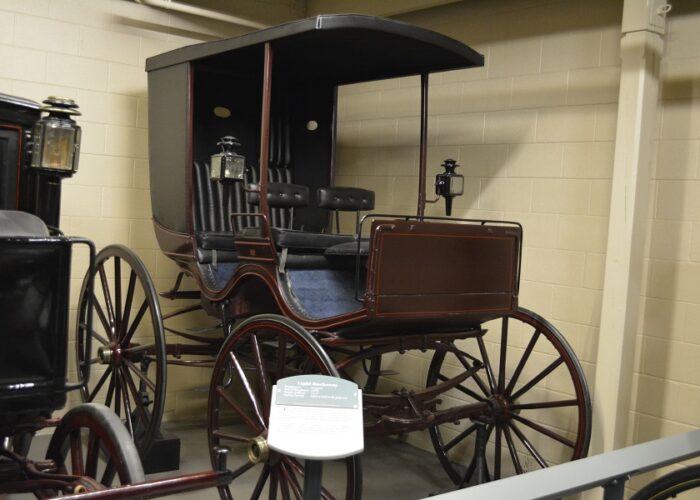
Coaches
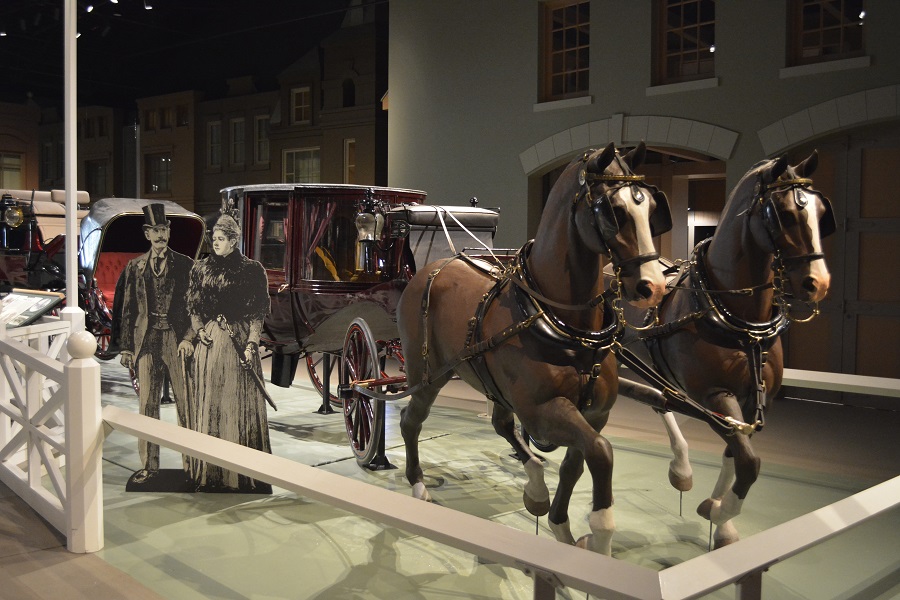
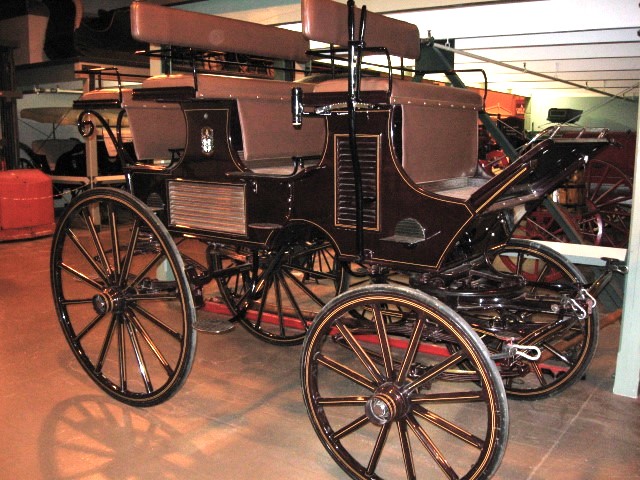
A coach is a larger version of the buggy. They carry six to twelve passengers and usually have a hired driver. If the buggy was equivalent to a family car, the coach would be comparable to an eight- or twelve-passenger van. Wealthy individuals could own their own coach, whereas those with fewer resources could hire one for the day. Some drove around town, picking up and dropping off passengers like a city bus.
Sleighs
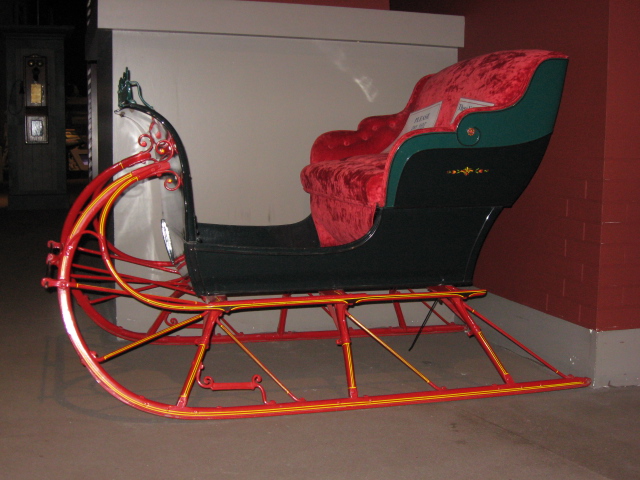
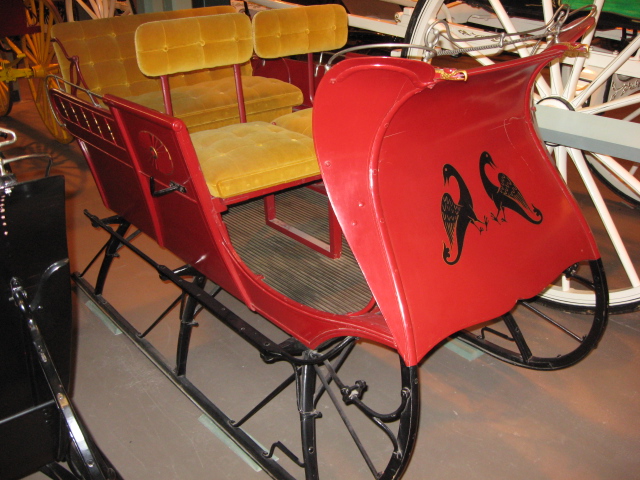
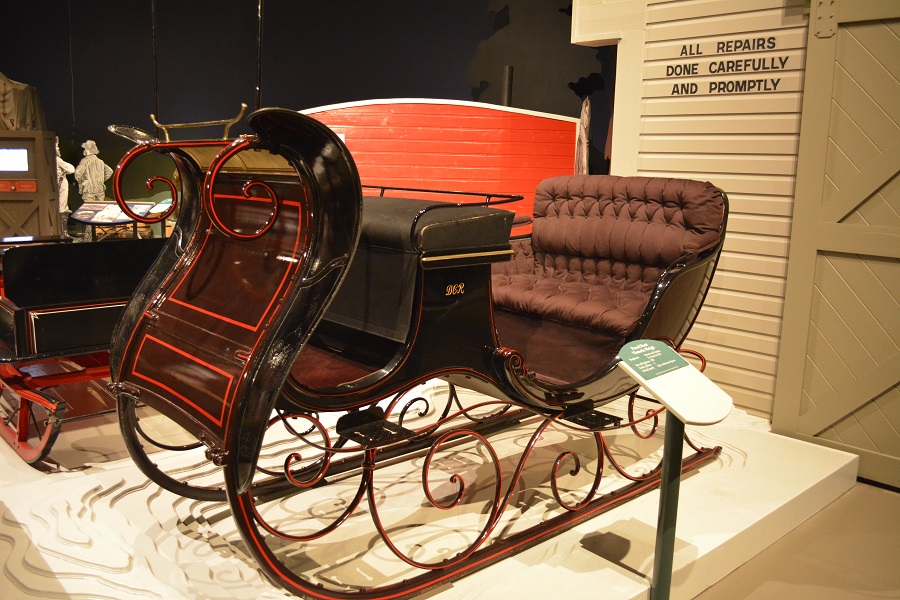
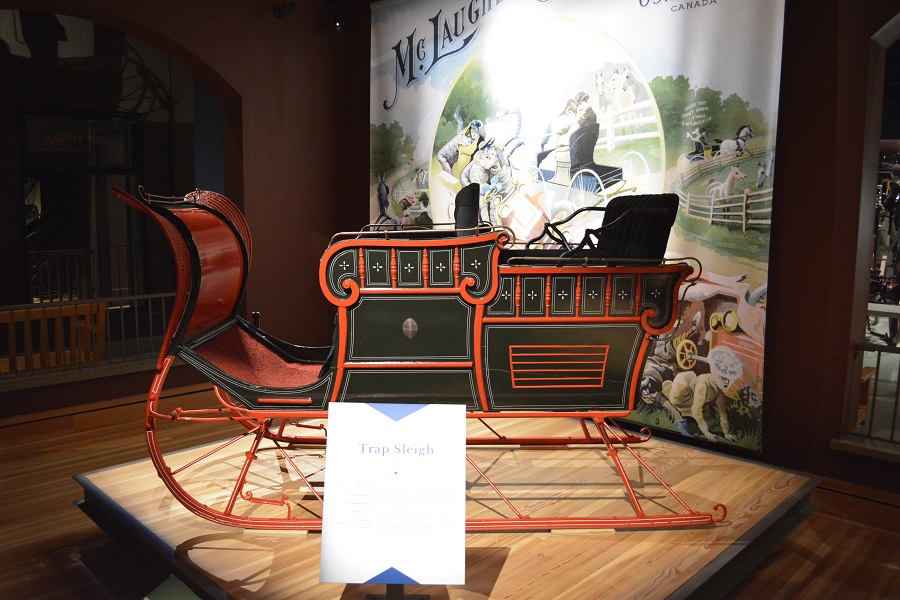
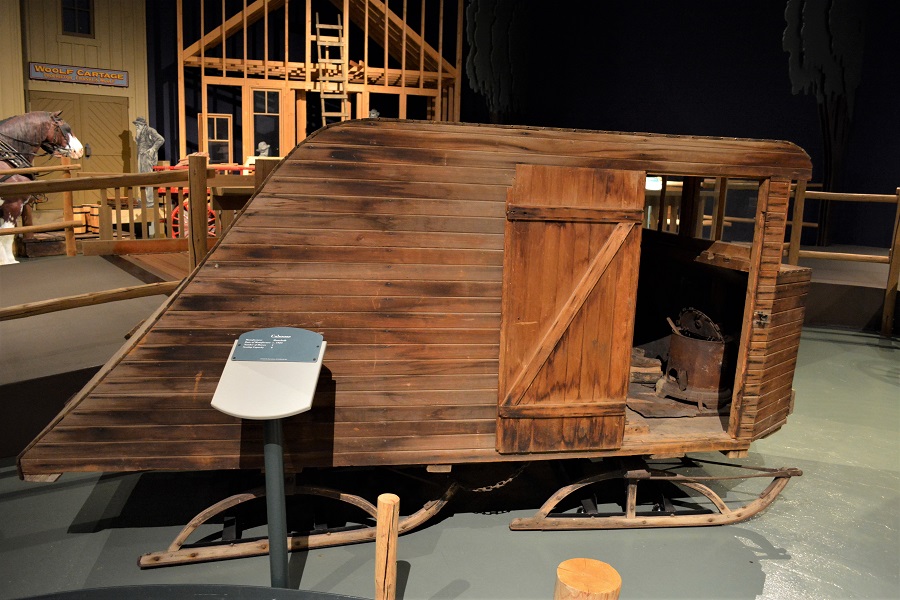
During winter, sleighs replaced vehicles with wheels in places that get a lot of snow. Some were dedicated sleighs, but others could have the wheels removed and converted to sleighs for the winter.
Stagecoaches
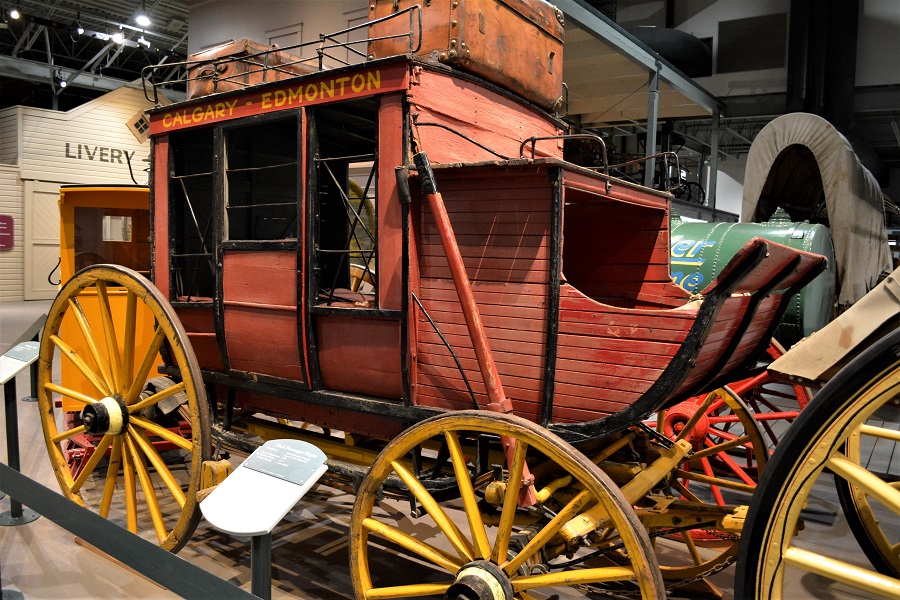
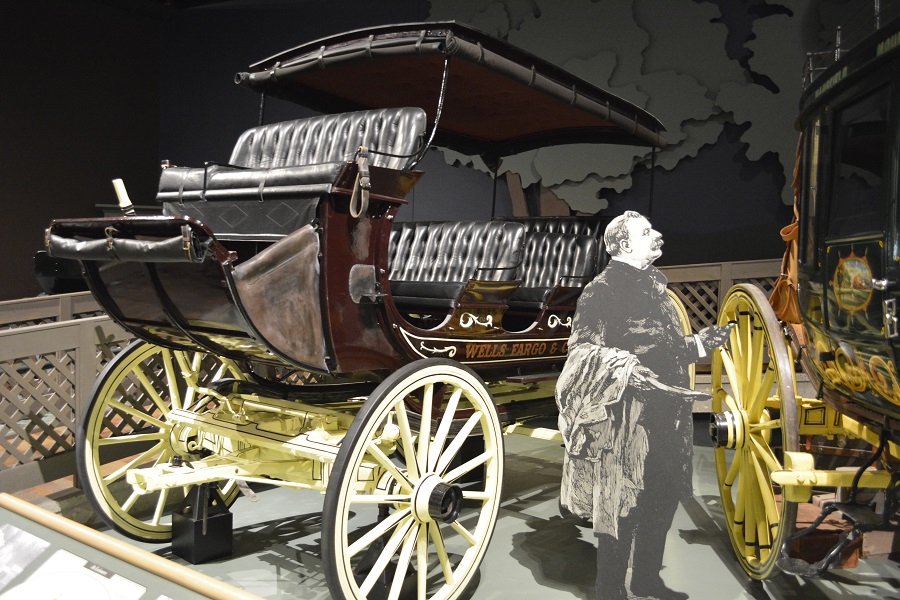
Stagecoaches were used for intercity travel. They carried both passengers and cargo. This one travelled between Calgary and Edmonton in Alberta, Canada. Most were enclosed, but some, like the yellow one below, were open-sided for short trips. Most were similar to the ones in Western movies, but a few were reserved for first-class passengers, such as the black one shown below.
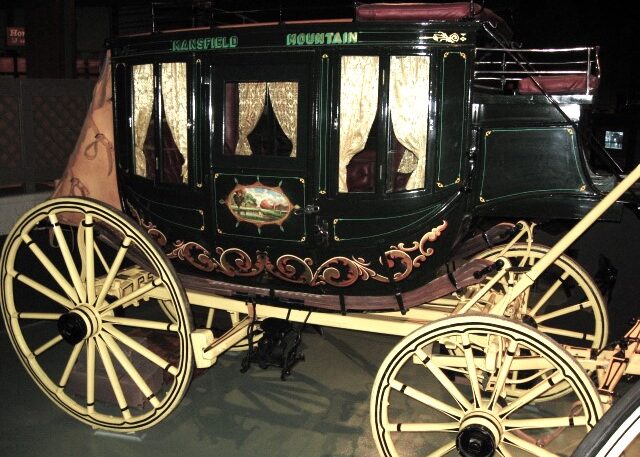
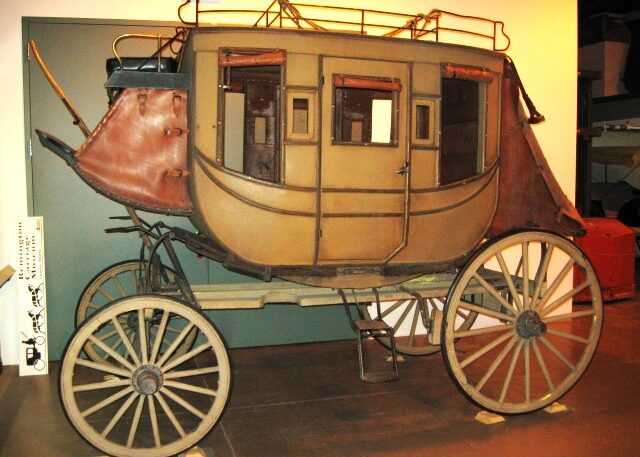
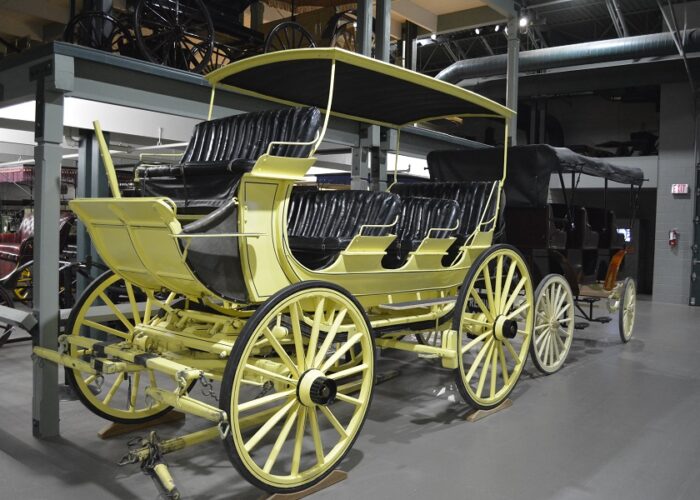
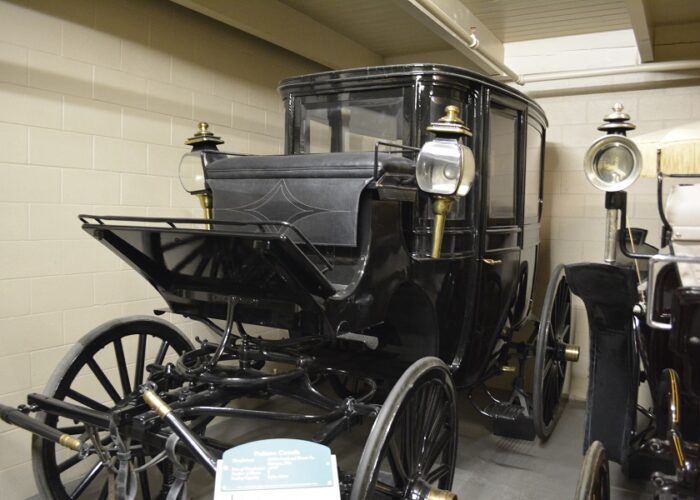
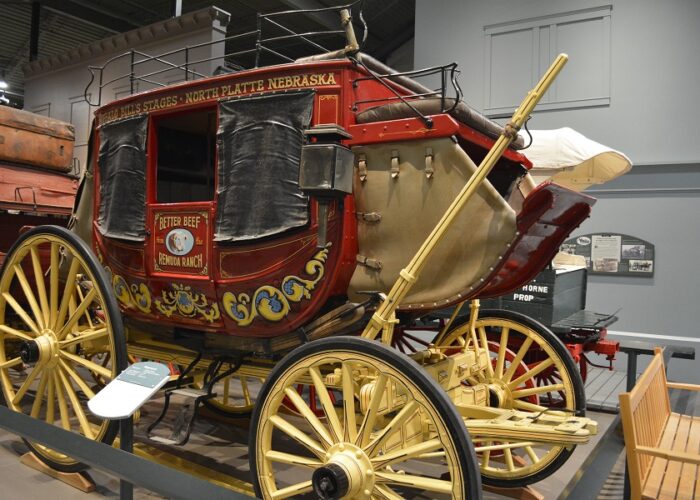
The Remington Museum has the stagecoach used in Disney’s movie “Shanghai Noon” and Turner’s “Crossfire Trail.”
Special Purpose Wagons
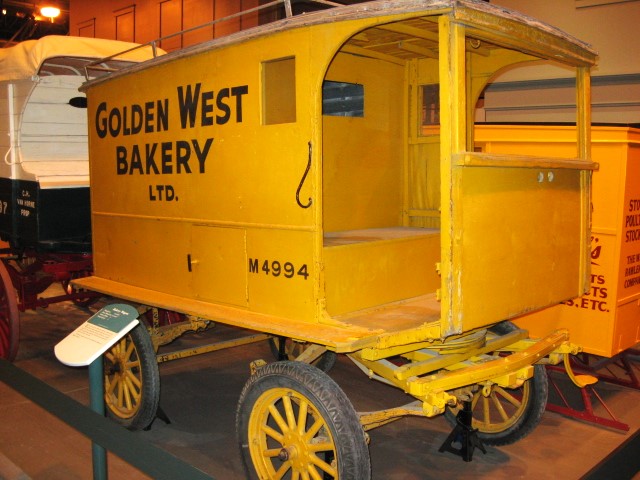
Bread Wagon. Bread was delivered door to door in horse-drawn wagons like this for about 100 years, from 1850 to 1950. About 1950, they switched to motorized vehicles until about 1970.
The Studebaker company built this particular bread wagon, founded by the five Studebaker brothers in 1852. They started making automobiles in 1902. They produced both wagons and automobiles until 1919. The Studebaker company went out of business in 1967.
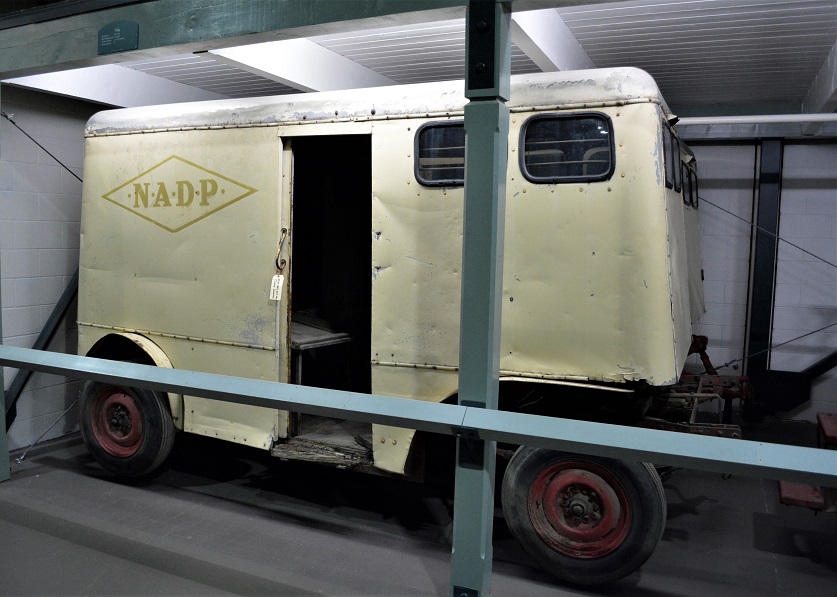
Milk Wagon. The milk wagon had a similar history to the bread wagon. They delivered milk, eggs, and other dairy products directly to customers’ doors. The milkman survived longer than the breadman, lasting until about 1975. This one belonged to a company called Northern Alberta Dairy Products.
School Buses
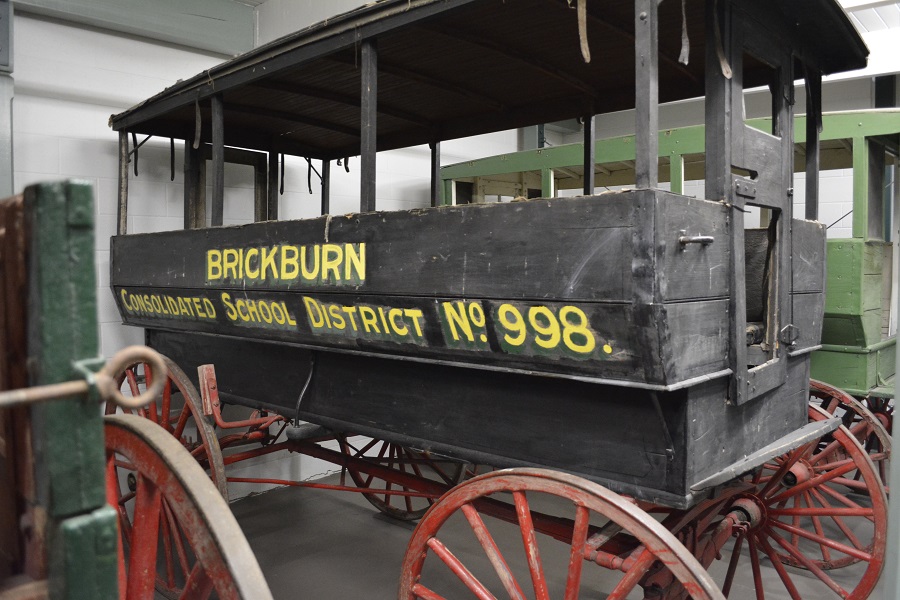
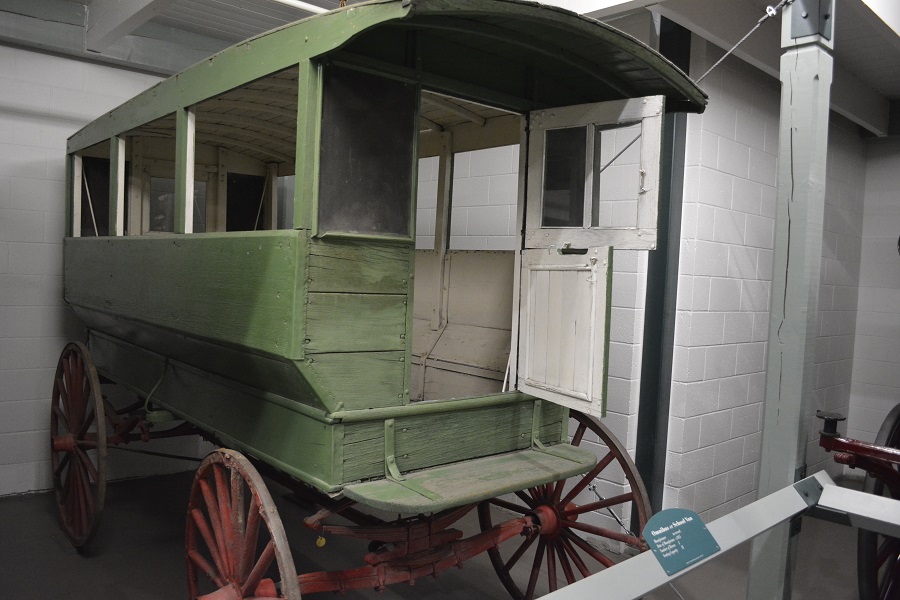
Before the invention of automobiles, children went to school in horse-drawn wagons and sometimes in sleighs during winter.
Fire Engines
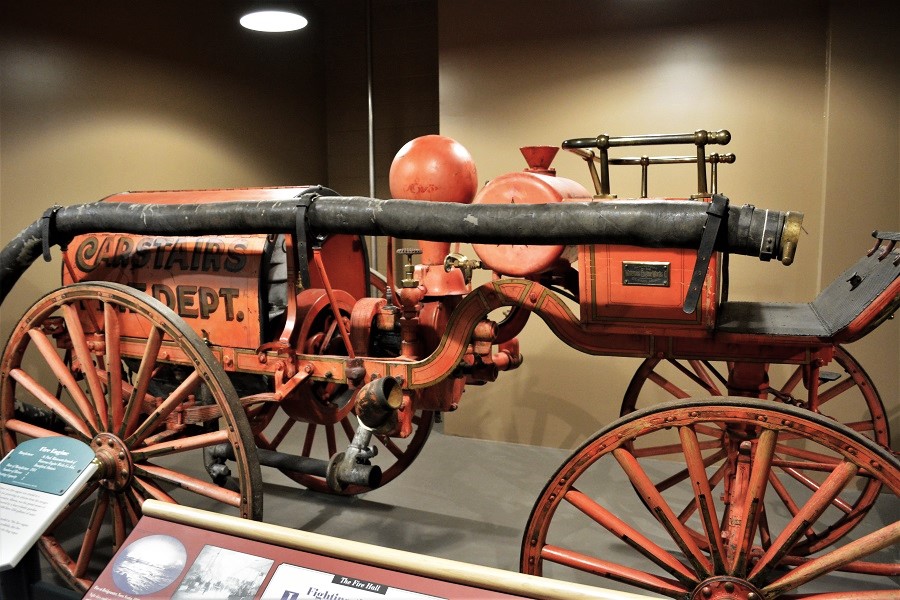
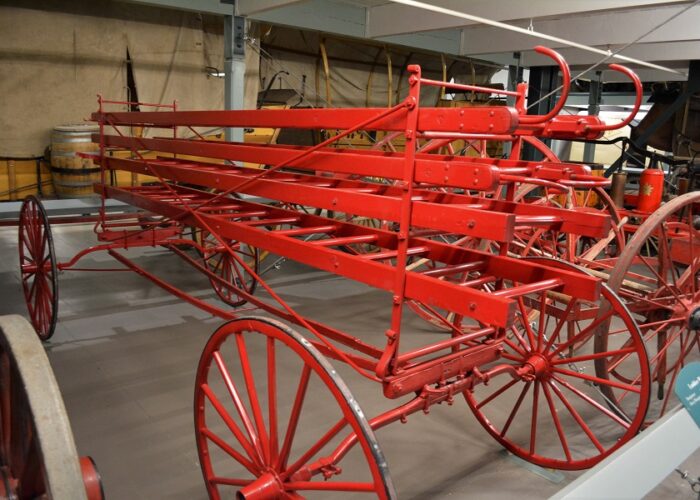
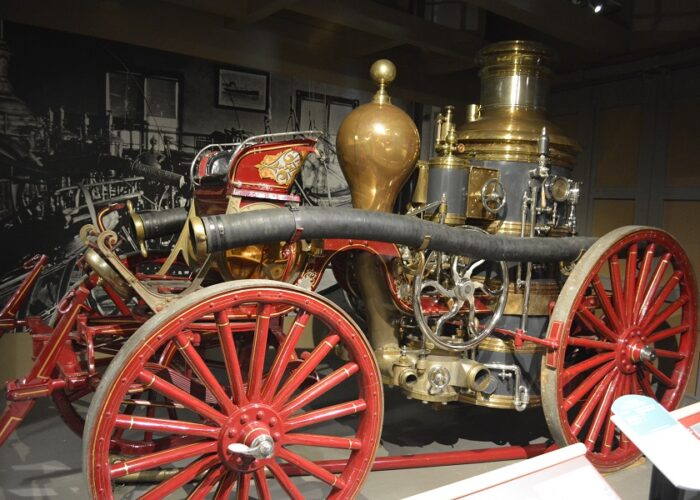
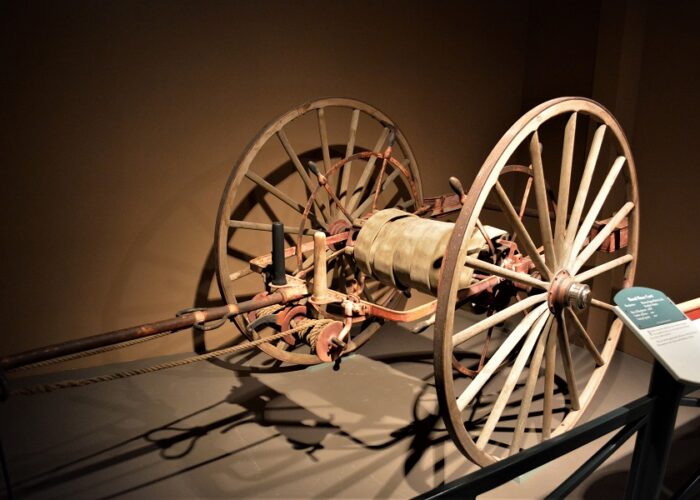
Fire Engines were also horse-drawn until suitable motorized vehicles became available. Here are some photos of horse-drawn fire engines from the 1800s. These at least had a small motor to pump the water. Earlier fire wagons were hand-pumped, as shown in one of the photos below. There were also separate wagons for the ladders and hoses.
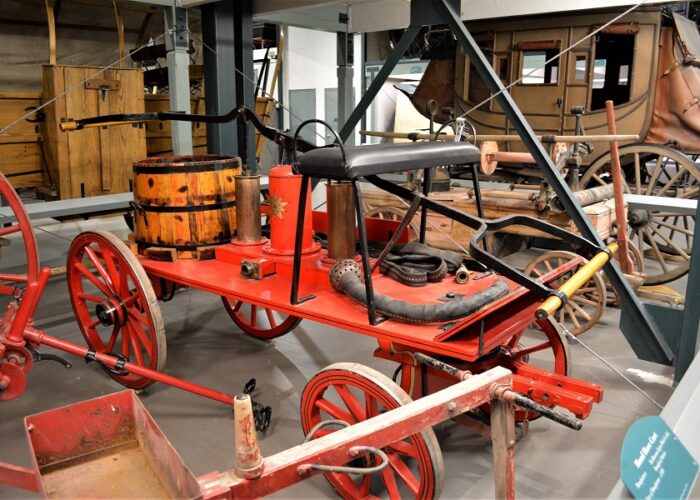 hand pump fire wagon
Gasoline Wagon
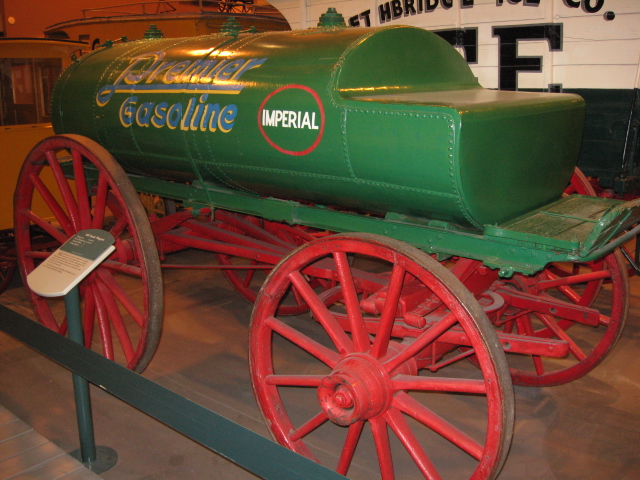
The invention of the automobile was soon followed by the need to establish fuel stations. (fuel is called gasoline in North America and petrol in Europe). But how did the fuel get to the new fuel stations? Ironically, fuel was hauled to the fuel stations in horse-drawn wagons. A truck or lorry strong enough to pull the heavy wagons had yet to be invented.
Hearses
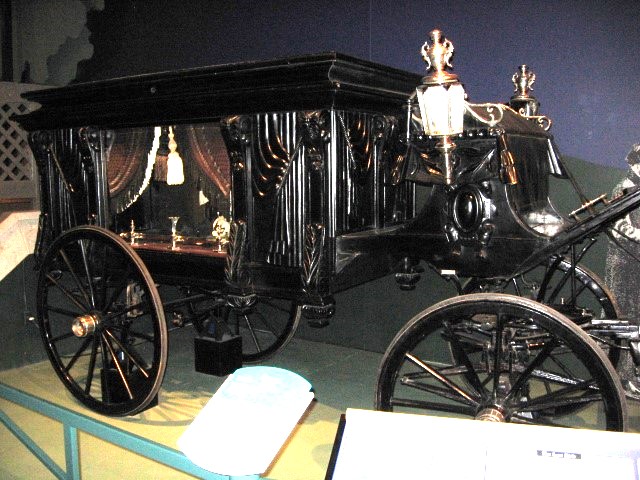
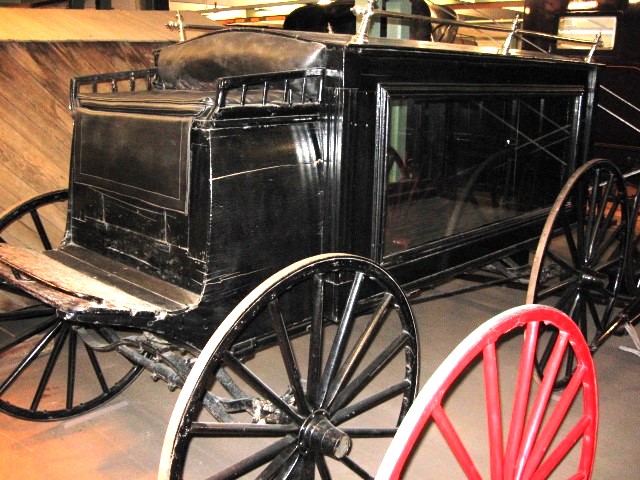
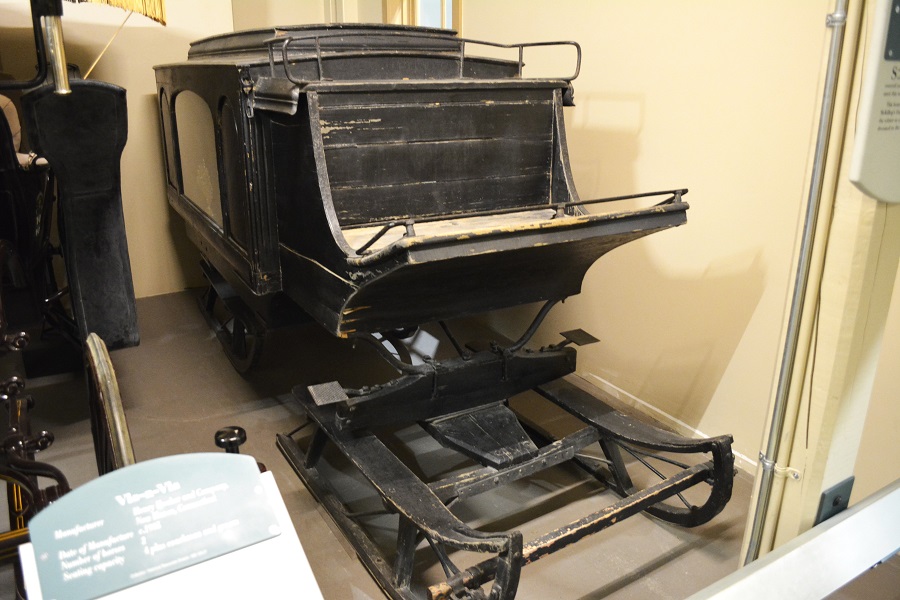
In the 1800s, a horse-drawn hearse served the same purpose as modern ones: to transport deceased people to the graveyard. Today’s hearses are plain compared to this ostentatious vehicle. Hearses in the 1800s had large windows so the public could see the person inside. Not all hearses were so elaborate. Simple options were available for those who could not afford this stylish vehicle, as shown in the photos below. There were even sleighs for winter conditions.
Ice Wagons
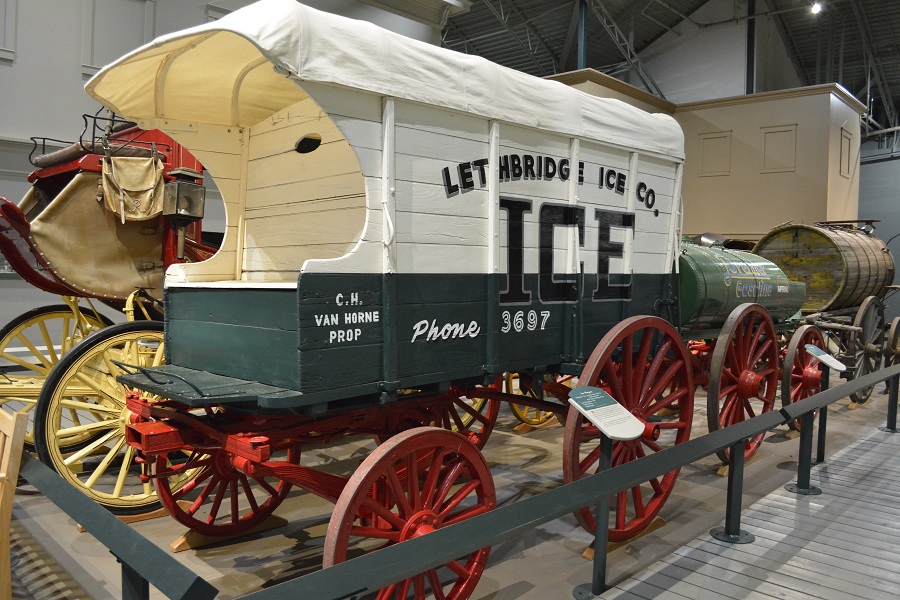
Before the invention of the refrigerator, people kept their food cool in homes with an icebox. An icebox resembled a wooden refrigerator without electricity. Like modern refrigerators, they had two compartments: one for the food and one for the ice and frozen food. The ice man travelled around town delivering large blocks of ice that people used to keep their icebox cold. The electric refrigerator was invented in the 1930s, but some people continued to use iceboxes into the early 1950s.
Water Wagons
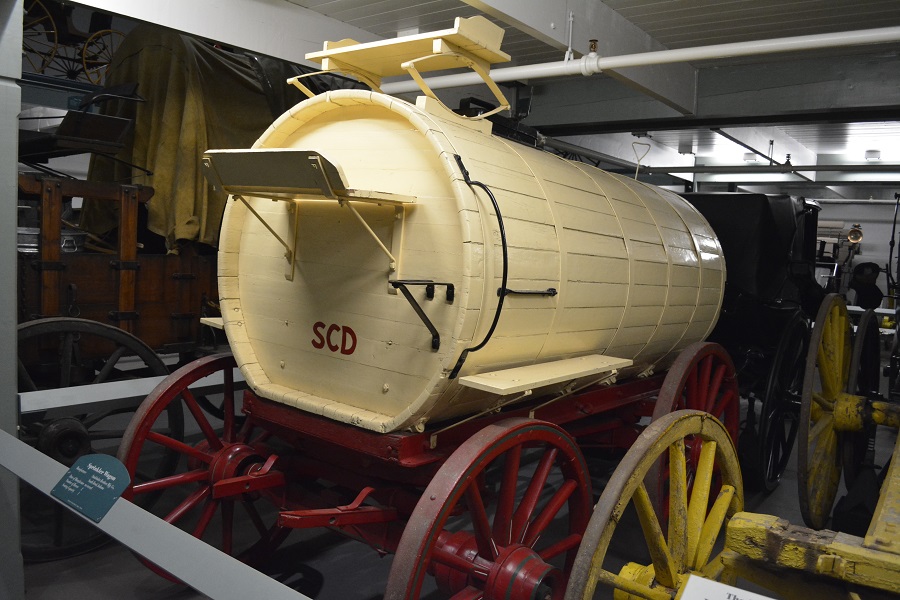
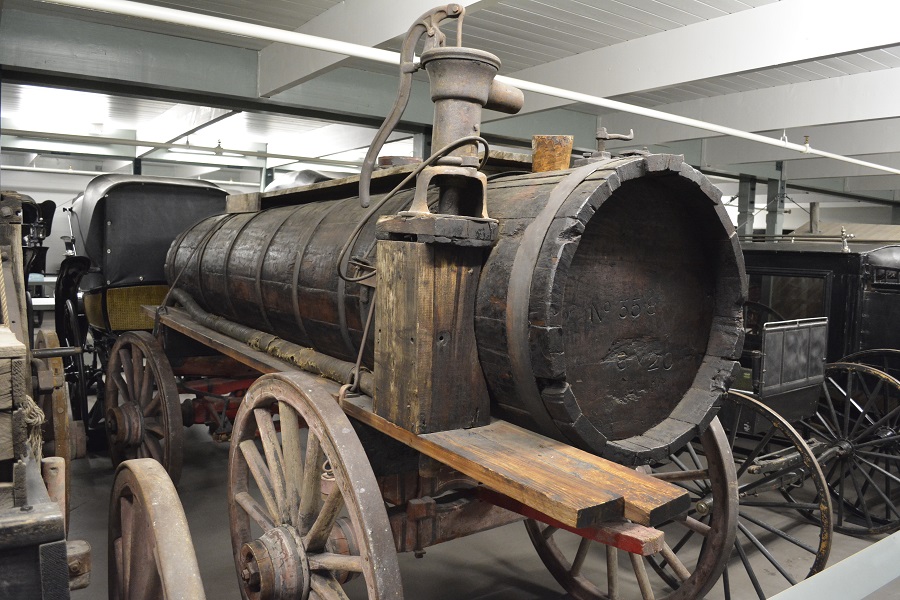
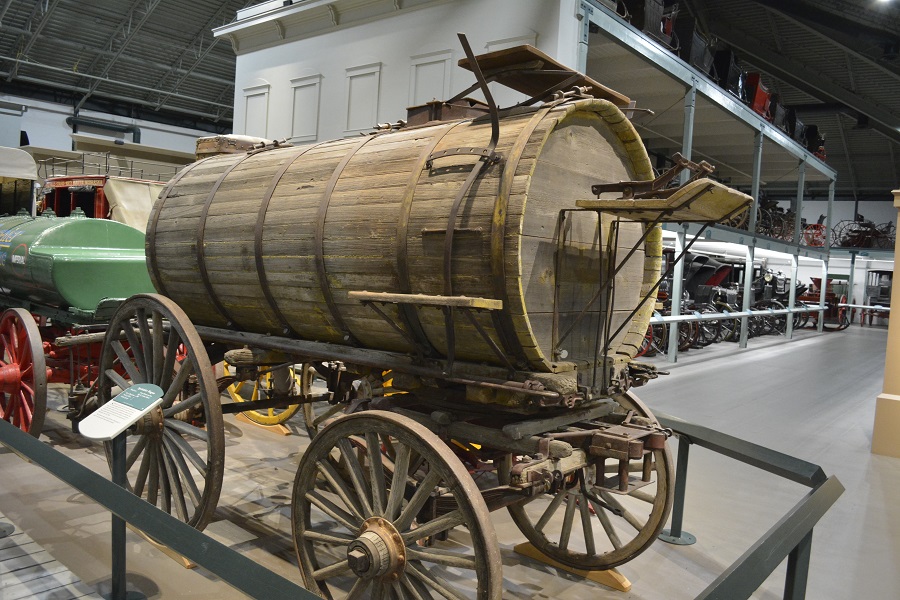
Before most people had indoor plumbing, they could purchase water and have it delivered in one of these water wagons. Indoor plumbing was introduced in houses in the 1830s, but only wealthy individuals could afford it. A hotel in Boston was the first hotel to feature plumbing in 1833. Additionally, in 1833, plumbing was installed in the White House in Washington, D.C. The average house began to install indoor plumbing in the early to mid-1900s. Farms and small rural towns were among the last to receive indoor plumbing, with some not getting it until as late as 1960. The Studebaker company made this yellow water wagon. Most were just made of unpainted wood.
The Horses
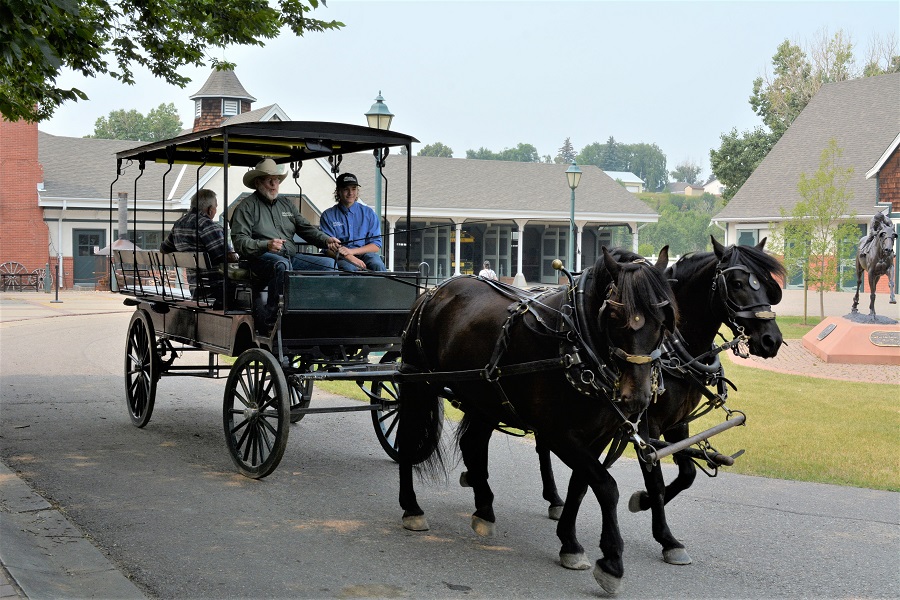
What is a horseless carriage without horses? The museum has a herd of Percherons and Quarter Horses. You can visit the stables located behind the museum, but please refrain from touching or feeding the horses. You can also arrange to go for a ride in a coach.
Factory and Repair Shop
In addition to the magnificent carriages, the museum also features a replica factory where you can observe the production process of carriages. You can also see a carriage dealership selling all types of carriages.
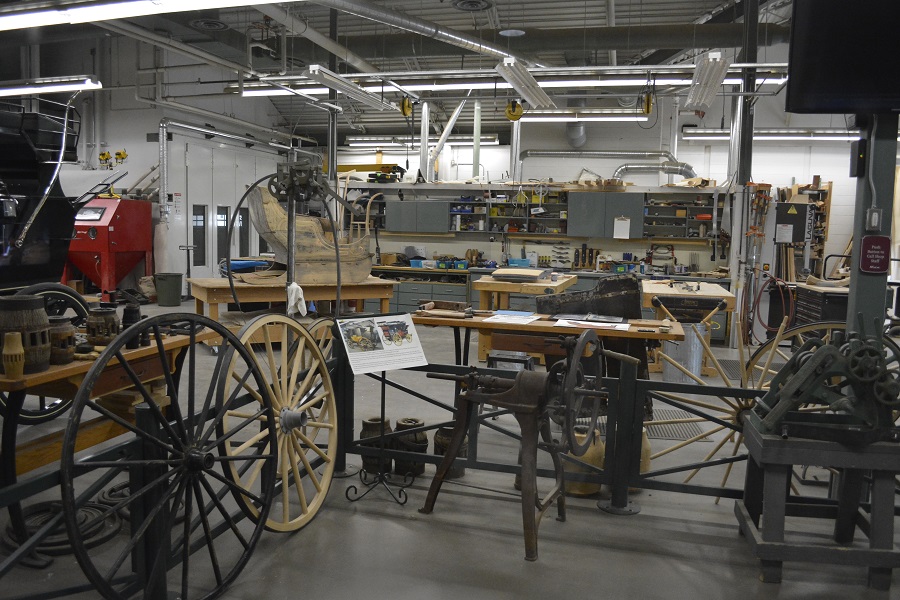
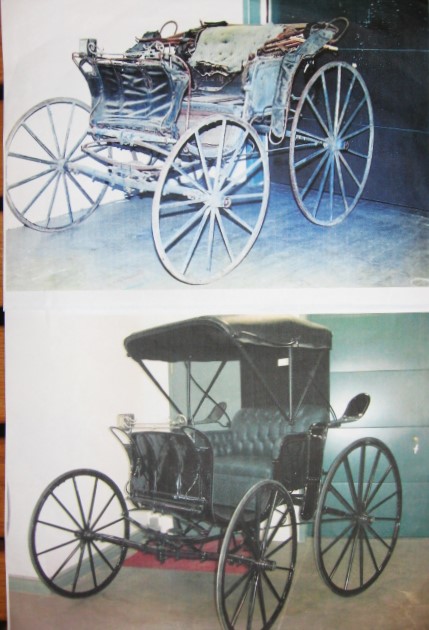
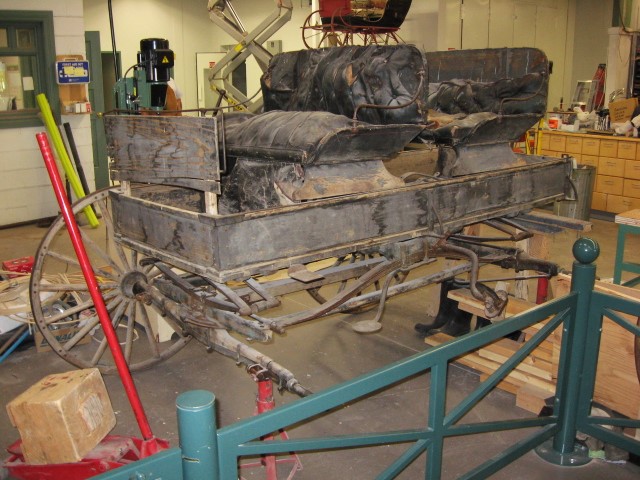
In addition, there is a real-life repair shop. This is not for display but is an actual repair shop where horseless carriages are repaired. If you own an old beat-up carriage, you could bring it here to be restored. Here, there are craftsmen who are skilled in the trade of wagon making. You can observe them at work, and they are happy to answer any questions you may have. The museum also has a farrier to look after the horses’ hooves.
Cafe. Theatre and Gift Shop
There is a theatre where you can watch a fascinating short movie about the production of horseless carriages. After your tour, you’ll find a lovely café and gift shop where you can relax, enjoy a meal or drink, and purchase a souvenir before continuing on your way.
Summary
If you are in Alberta or planning to visit, be sure to include this world-class museum in the trip. For Americans, Cardston is located just a short drive north of the Montana border.
Check out the museum’s website here: https://remingtoncarriagemuseum.ca/
Airan,
Please check your information about deserts of North America. Regarding the location of the Chihuahan desert you wrote that it includes the SW corner of Arizona. I believe you mean the SE corner. Please let me know you go this. Best,
You are correct. I will change it. Thank you.
Very interesting!
I have two questions:
– How would sleighs stop when needed?
– Where did the Ice man got the ice for delivery? Or rather how would an ice factory work before electricity?
Thanks for sharing!
Hi Airan. You would stop a sleigh the same way you stop a horse when horseback riding: by pulling on the reins. The sleigh might keep moving if on ice or a hill, but normally, in snow, it would stop if the horses stopped pulling. The ice man got his ice from frozen rivers or lakes during winter. It would be cut into large blocks and stored in an insulated building. In Canada, it is cold for six months of the year and only hot for a couple of months in the summer. Rivers and lakes in northern or western Canada will freeze to a depth of a metre or more. Enough to drive a truck on it. I once drove my truck on the Yukon River. (See “Ice Road Truckers” on this website.) The large blocks would melt a bit but they were able to keep them from totally melting. Very large blocks of ice would melt at a slower rate than small pieces. The blocks would be cut into smaller blocks for delivery to houses as needed.
Very interesting 🙂👍